
Prompt guide
Complete guide for Alien Person
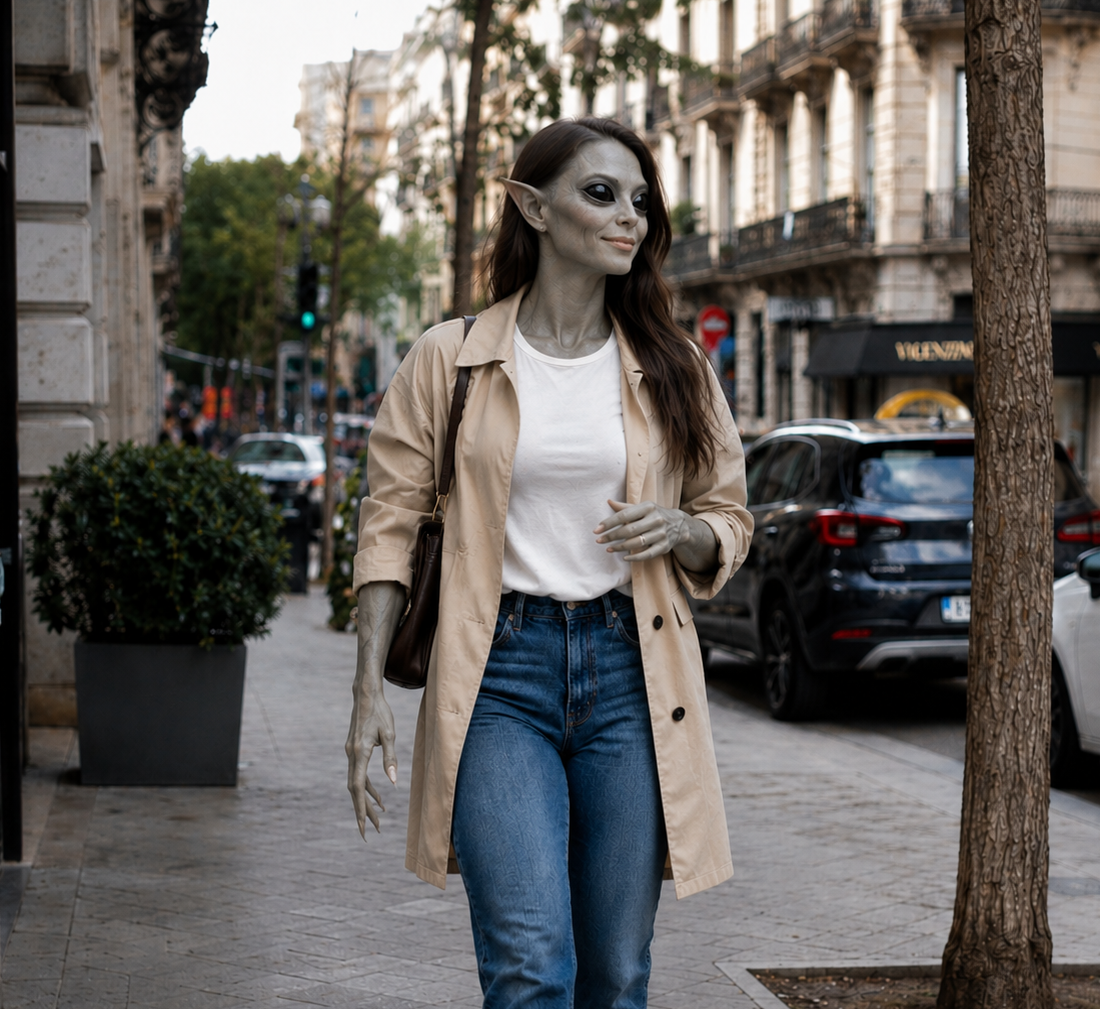
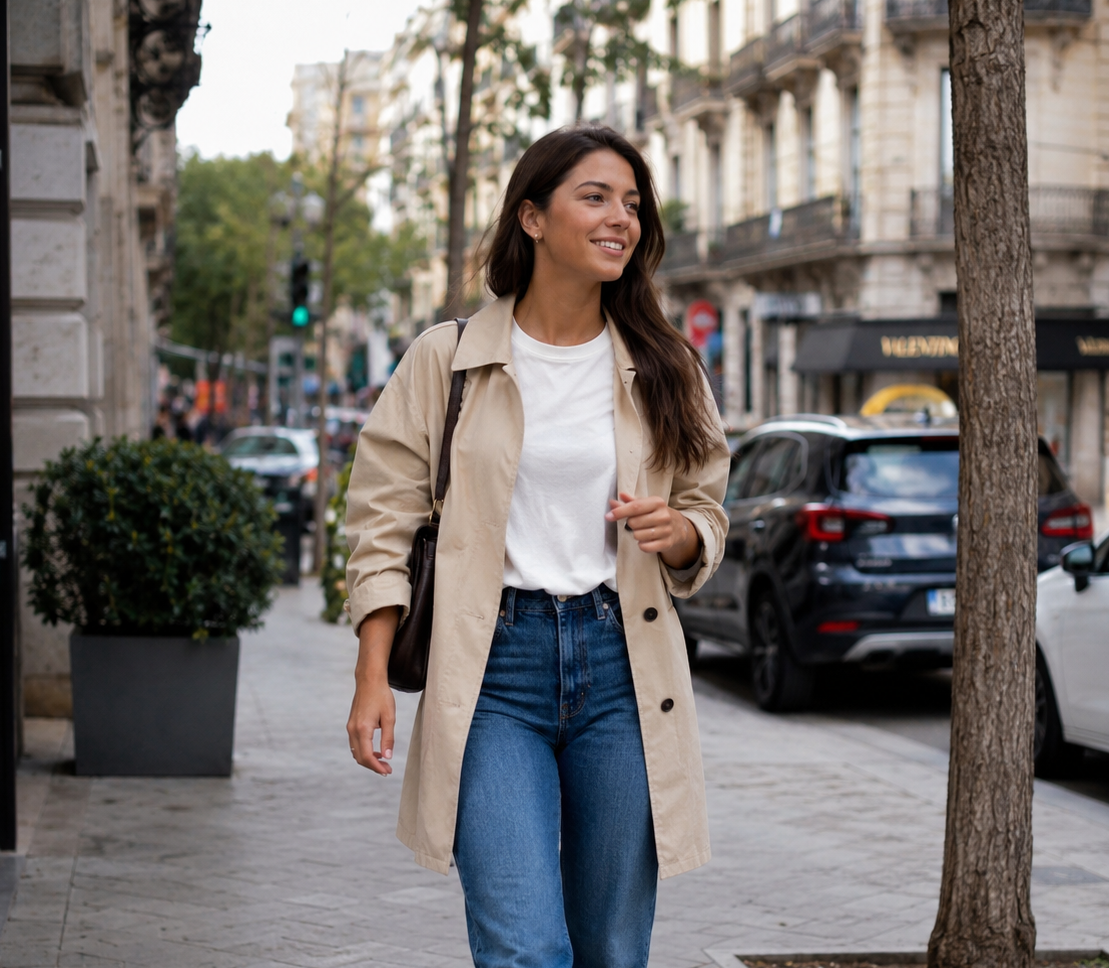
The Alien Person prompt is built for image-to-image edits where the user wants to turn a real person photo into a believable alien version without destroying the original photograph. Instead of generating a completely new sci-fi character, this template keeps the uploaded image as the foundation: the same pose, clothing, hairstyle, framing, lighting, camera angle, background, accessories and overall photographic realism remain in place. The visible human subject is the only element that changes. That makes the prompt useful for funny profile edits, viral social media images, cinematic Halloween concepts, character experiments, creative thumbnails and playful transformations that still feel connected to the original picture.
The main strength of this template is the alien type selector. A classic grey alien creates the familiar cinematic look with smooth grey skin, large dark eyes and an enlarged cranium. The reptilian option adds scale texture, sharper facial structure and creature-design realism. The celestial option gives the person a more elegant, luminous and refined alien presence. The insectoid option introduces subtle chitin textures and compound-inspired eyes while avoiding horror or gore. The aquatic alien option uses blue and teal skin tones, wet reflections and restrained bioluminescent details. Each option changes the design language of the transformation, but the prompt repeatedly protects the original identity and scene.
This SEO page should rank for users searching for an AI alien filter, alien photo prompt, alien person transformation, sci-fi portrait edit or funny AI image prompt. The prompt is especially strong because it separates transformation from redesign. Many AI image tools tend to replace the entire scene when asked for a sci-fi concept. This template prevents that by explicitly saying not to add spaceships, futuristic props, fantasy backgrounds, posters, armor, weapons or concept-art compositions. The result should look like the original photo was taken in the same place and at the same moment, but the person naturally appears as an alien.
For best results, the uploaded photo should clearly show the face, hands or upper body, because those visible features give the AI enough detail to transform skin, eyes and anatomy while keeping the person recognizable. A bright, sharp portrait, selfie, fashion photo or casual full-body image works better than a blurry group shot. The aspect ratio field lets users adapt the final image for square profile avatars, vertical reels, wallpapers, thumbnails or landscape social posts.
How to use this prompt
- 1
Upload a clear photo where the person is easy to recognize. The face should be visible and well lit, because the prompt needs real facial structure, skin details, hairstyle and expression to build a believable alien version of the same individual.
- 2
Choose the alien type according to the mood you want. Grey alien is iconic and funny, reptilian is more creature-like, celestial feels elegant, insectoid is stranger and cinematic, and aquatic works well for luminous blue sci-fi portraits.
- 3
Select the aspect ratio for the final use, then copy the full generated prompt into your AI image tool with the uploaded photo attached. Keep the identity, background and negative prompt rules intact so the image remains a photo edit instead of becoming a new sci-fi scene.
Best use cases
Funny social media transformations where a selfie, portrait or group photo becomes a realistic alien version while keeping the original clothing and setting.
Creative profile pictures, thumbnails and meme-style edits that need a strong visual hook but should still look like the real person from the uploaded image.
Halloween, sci-fi campaign visuals, party invitations or playful brand content where a realistic alien look is more useful than a generic cartoon filter.
Tips for better results
Use photos with visible eyes and face direction. Alien transformations depend heavily on eye shape, gaze and facial proportions, so sunglasses, extreme shadows or motion blur can weaken the result.
Do not add extra sci-fi instructions unless they are truly needed. The template is designed to preserve the original photo, so extra spaceships, lasers or costumes can make the AI replace the whole scene.
If the first result is close but not perfect, regenerate with a different alien type or a tighter aspect ratio. Square crops often work well for faces, while vertical ratios are better for full-body fashion-style alien edits.
Common mistakes to avoid
Using a very blurry or low-resolution photo. When the AI cannot see the face clearly, it may create a generic alien instead of preserving the person’s identity.
Deleting the preservation rules. Removing the instructions about clothing, background, pose and camera angle often causes the model to invent a new sci-fi poster instead of editing the original image.
Choosing a dramatic alien type and then adding conflicting style words such as anime, fantasy armor or comic art. That weakens the photorealistic transformation goal.
Final recommendation
Use this prompt when you want a realistic alien version of a real person while keeping the original photo recognizable. A clear face photo, a deliberate alien type and the full structured prompt will produce stronger results than a short generic instruction like turn me into an alien.