


Prompt guide
Complete guide for Epic Cinematic Landscape Transformer
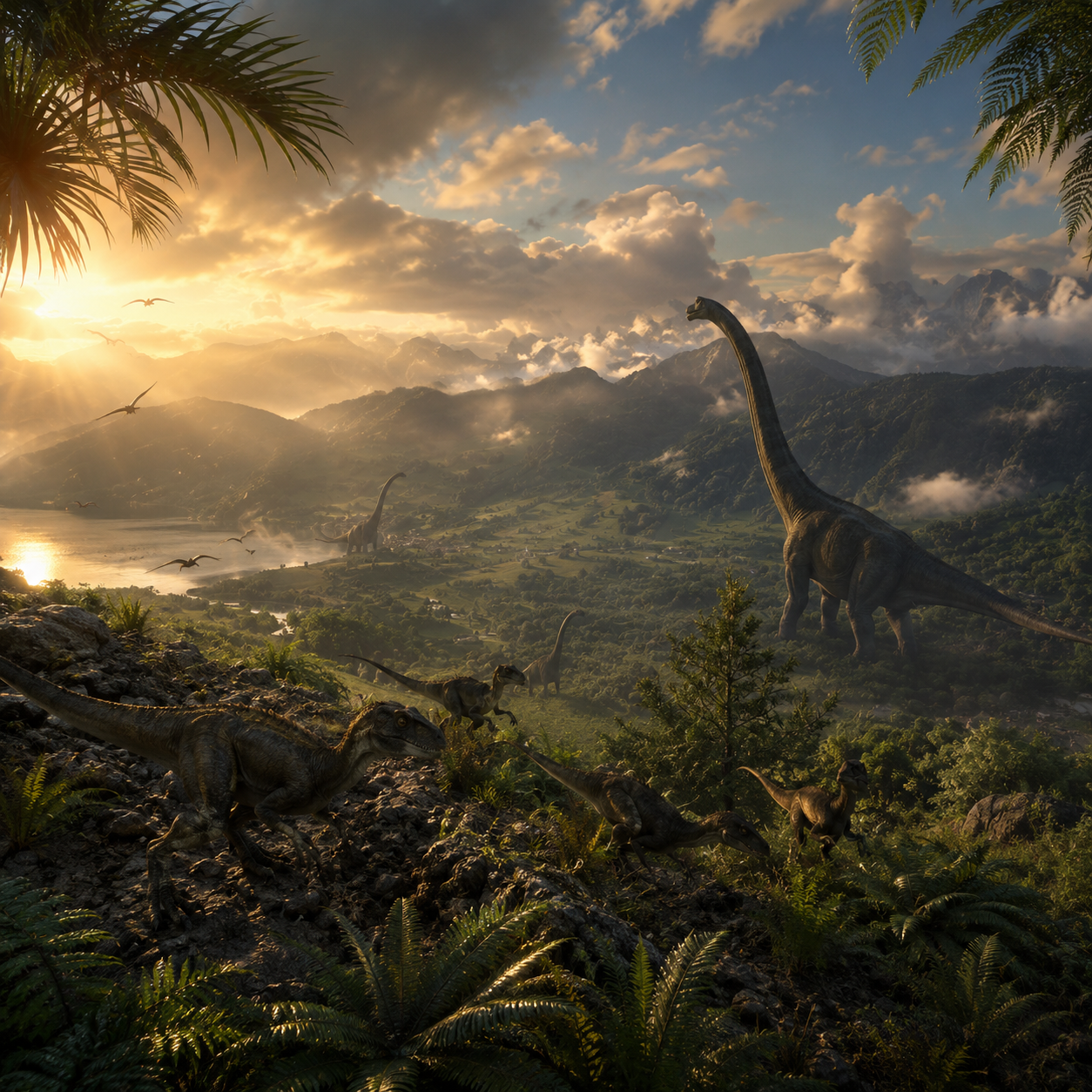
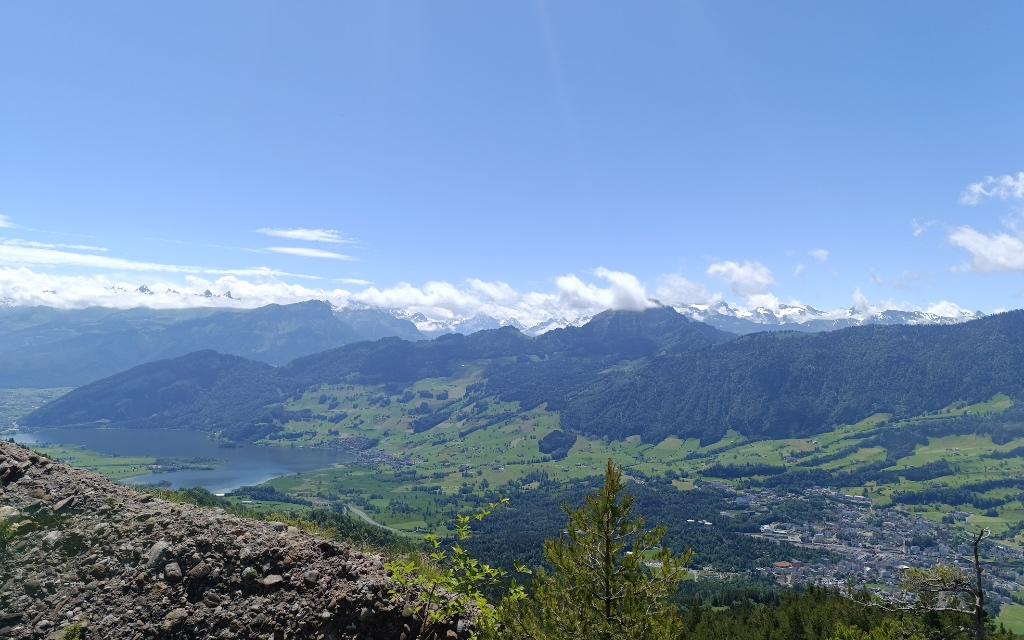
Epic Cinematic Landscape Transformer is a focused AI image prompt template for users who want a polished result without manually assembling a long prompt, negative prompt, visual hierarchy rules and validation instructions. It is built for the landscape, fantasy environments and cinematic concept art category and is especially useful when the user already has a reference image but needs the AI tool to reinterpret it in a controlled, professional way. Instead of asking for a vague creative edit, this template defines the subject, the composition, the required reference, the style logic, the quality level and the elements that must not appear in the final image. The template works around one base landscape image [image_1], a selected fantasy scenario and an aspect ratio. The uploaded reference is not a loose inspiration image: it becomes the foundation of the final generation. The prompt tells the AI to preserve the important identity details from the input while changing the presentation into a photorealistic cinematic transformation of the original landscape into a prehistoric dinosaur world, nuclear apocalypse, volcanic lava cataclysm or sci-fi alien colonization while preserving the core terrain and perspective. This makes the result more consistent than a short prompt because the model receives clear instructions about what to keep, what to transform and how the final image should be validated. A key advantage of this prompt is its structured creative direction. The fantasy scenario selector is the creative driver: it changes the added creatures, atmosphere, lighting, materials and storytelling while the uploaded landscape controls the terrain. The template describes how the selected option should influence the image while keeping the essential subject intact. That is important for image-to-image work because many AI tools can drift away from the original reference when the prompt is too short. By including preservation rules, composition rules, lighting guidance, material or texture notes, and negative constraints, the template helps the AI focus on a specific visual target instead of improvising a generic result. The expected output is a photorealistic cinematic transformation of the original landscape into a prehistoric dinosaur world, nuclear apocalypse, volcanic lava cataclysm or sci-fi alien colonization while preserving the core terrain and perspective. The result should feel finished enough to use as a social media visual, concept image, prompt example, portfolio mockup, creative asset or inspiration image. It is designed to be visually clear, easy to understand at a glance and strong enough for a template preview page. The prompt is strong because it treats the input landscape as the foundation of a matte painting, so the result should evolve the existing scene instead of replacing it with a completely unrelated fantasy image. This SEO section is also useful for visitors who are not prompt engineering experts. It explains why the template asks for certain inputs, why the prompt includes strict restrictions, and why the negative prompt should remain attached when the final prompt is copied into an AI image tool. Users get better results when they understand that the template is not only describing an image, but also controlling identity preservation, composition, lighting, style, texture, and validation. For best results, the user should upload a clean reference image, choose the most appropriate option when the template includes one, keep the full prompt structure, and regenerate only after checking whether the main subject, style and composition are already close to the intended result.
How to use this prompt
- 1
Upload a high-quality landscape image with a clear horizon, terrain structure and enough depth. The prompt depends on these features to integrate fantasy elements realistically.
- 2
Choose the fantasy scenario based on the mood you want: awe and scale for dinosaurs, devastation for nuclear apocalypse, heat and drama for lava, or futuristic mystery for alien colonization.
- 3
Keep the full prompt when generating because the preservation rules make sure the original landscape remains identifiable beneath the new cinematic elements.
Best use cases
Landscape photographers can turn ordinary locations into dramatic concept scenes for social posts, thumbnails or portfolio experiments.
Game, film and worldbuilding creators can use it for quick environment concepts based on real terrain.
Prompt galleries can use it to show how option-based themes change a scene while preserving the same base image.
Tips for better results
Use landscapes with strong depth cues such as foreground rocks, roads, mountains or water. These help the model place new elements at believable scale.
Match the theme to the original terrain when possible. Volcanic scenes work well with rocky landscapes, while alien colonization can work well with mountains or city edges.
If the output replaces the landscape too aggressively, regenerate with the same image and keep the topographical preservation instructions.
Common mistakes to avoid
A flat sky-only or close-up nature photo gives the AI less structure for cinematic integration.
Choosing a theme without enough visual space can lead to cramped dinosaurs, ships or lava effects.
Deleting the occlusion and scale rules can make the added elements look pasted on top of the landscape.
Final recommendation
Use this template when you want to transform a real landscape into an epic cinematic environment while keeping the original place recognizable. A clear landscape, a well-matched fantasy scenario and the full matte-painting prompt structure create stronger results than a short “make it fantasy” instruction.